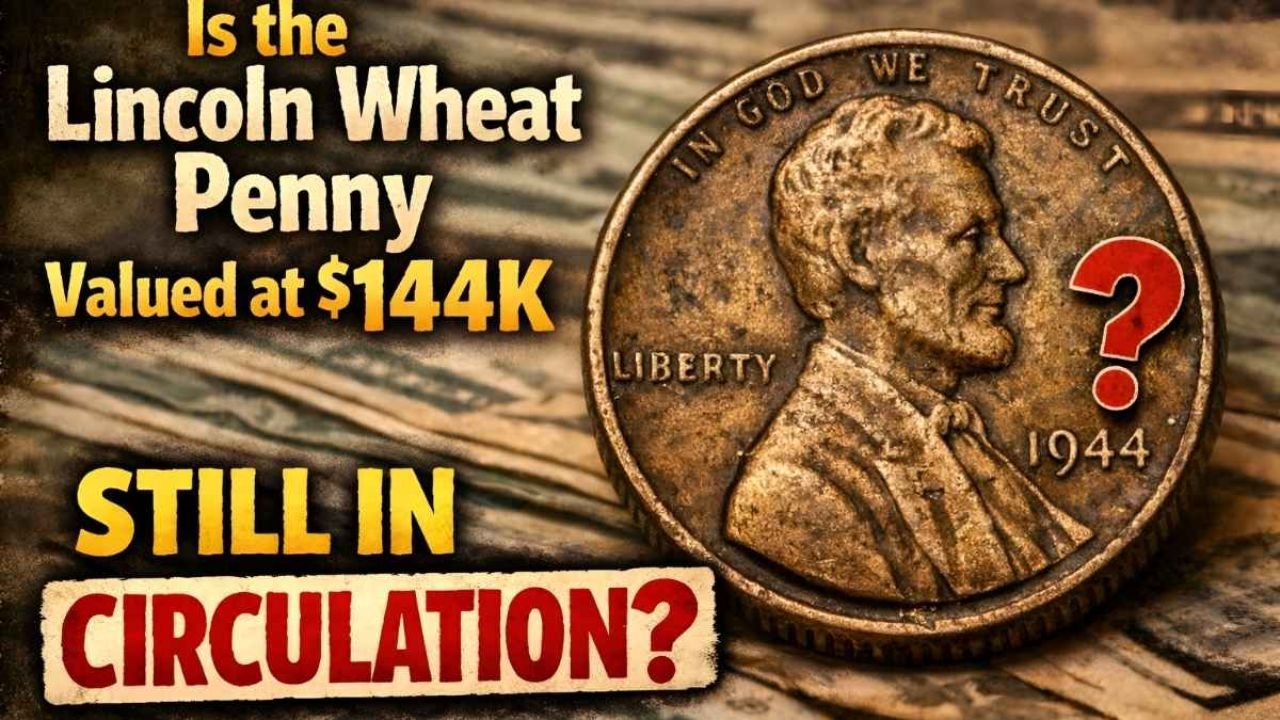
The possibility that a single penny could be worth $144,000 captures attention instantly. For collectors and casual observers alike, the Lincoln Wheat Penny represents more than spare change—it represents history, rarity, and, in rare cases, remarkable financial value.
But is a Wheat Penny valued at $144,000 truly still in circulation? The answer is nuanced. While extremely rare, it is not impossible. Understanding why certain pennies command such extraordinary prices helps separate realistic opportunity from online hype.
The Historical Significance of the Lincoln Wheat Penny
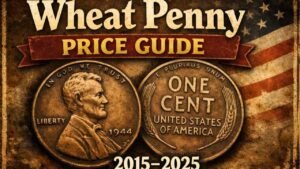
The Lincoln Wheat Penny debuted in 1909 to mark the 100th anniversary of Abraham Lincoln’s birth. Designed by Victor David Brenner, it became the first circulating U.S. coin to feature an actual historical figure.
The obverse displays Lincoln’s profile, while the reverse features two wheat stalks framing the denomination “ONE CENT.” This iconic design remained in production until 1958, when it was replaced by the Lincoln Memorial reverse.
Over nearly five decades, billions of Wheat Pennies were minted. Most were used heavily in daily commerce, which explains why they remain widely available today in collections and inherited coin jars.
Why Would a Wheat Penny Be Worth $144,000?
A six-figure valuation does not apply to ordinary coins. It reflects a rare combination of scarcity, condition, and market demand.
Rare Minting Errors
One of the most valuable categories includes transitional or composition errors. The famous 1943 bronze cent is a prime example. During World War II, pennies were struck in steel to conserve copper. A small number were mistakenly struck in bronze. These rare pieces are among the most sought-after coins in American numismatics.
When authenticated and preserved in exceptional condition, such coins can command prices well into six figures.
Low-Mintage Key Dates
Coins like the 1909-S VDB and 1914-D are considered key dates due to limited production numbers. In top-tier condition, certified examples have reached substantial auction results.
Exceptional Condition
Condition dramatically influences value. Coins graded at the highest levels by professional grading services can sell for many multiples of lower-grade examples of the same year.
A $144,000 Wheat Penny is almost certainly a rare variety in extraordinary, professionally certified condition.
Could One Still Be in Circulation?
Technically, yes. Realistically, the odds are extremely low.
Rare coins occasionally re-enter circulation due to estate dispersals, inherited collections being unknowingly spent, or individuals unaware of what they possess. Because Wheat Pennies look similar at a glance, a rare piece can blend easily among common examples.
However, coins valued at six figures are typically known within the collecting community. Most have already been identified, graded, and secured in private collections.
While discovery stories do happen, they are rare events—not common occurrences.
How to Identify a Potentially Valuable Wheat Penny
If you are curious about searching your own change, a methodical approach is essential.
Step 1: Check the Date and Mint Mark
Look beneath the date for a mint mark:
- No mint mark: Philadelphia
- D: Denver
- S: San Francisco
Research key dates and compare carefully.
Step 2: Examine 1943 Pennies Closely
If you find a 1943 penny, test it with a magnet. Steel cents are magnetic. If it does not stick, it could warrant professional evaluation. Do not attempt alterations or cleaning.
Step 3: Inspect for Errors
Look for doubling in lettering, unusual coloration, or design misalignments. Error coins often show subtle but distinct features.
Step 4: Protect the Coin
Never clean a coin. Cleaning can significantly reduce its value. Store it safely and consult a reputable coin dealer or grading service for authentication.
The Role of Professional Authentication
High-value coins achieve their market price because they are authenticated and graded by recognized third-party services. Certification provides credibility, confirms authenticity, and assigns a condition grade that influences market demand.
Without professional grading, even a rare coin may struggle to achieve premium pricing.
Collectors willing to pay six-figure amounts require documented proof of rarity and preservation.
Market Demand and Auction Influence
Coin values are shaped by collector demand. Auction houses often serve as the benchmark for pricing rare coins. Competitive bidding among serious collectors can push prices to extraordinary levels.
A $144,000 result typically reflects:
- Verified rarity
- Exceptional condition
- Strong collector interest
- Transparent auction history
These factors combined create premium valuations.
Separating Excitement from Reality
It is important to approach headlines about high-value pennies with balanced expectations. The overwhelming majority of Wheat Pennies are worth modest amounts. Even many key dates in circulated condition sell for far less than sensational figures suggest.
Six-figure sales represent the top fraction of the market, not the average.
Education and research remain essential. Understanding mintage numbers, grading standards, and market trends helps collectors make informed decisions.
Why the Fascination Continues
The enduring appeal of the Lincoln Wheat Penny goes beyond potential profit. These coins circulated through defining periods of American history—from the early 20th century through wartime economies and post-war growth.
Holding one is like holding a small, tangible link to the past.
For many collectors, the reward lies in the hunt, the history, and the satisfaction of building knowledge—not solely in financial gain.
Final Verdict: Is the $144K Wheat Penny Still Out There?
Yes, a Lincoln Wheat Penny valued at $144,000 does exist. Whether one remains undiscovered in circulation is uncertain—but not impossible.
The probability is slim, yet history shows that rare coins occasionally resurface in unexpected places. Still, realistic expectations are crucial. Most Wheat Pennies are common and modestly valued.
If you choose to search your change, do so with curiosity and informed awareness. While the chance of finding a six-figure coin is small, the journey into coin collecting can be rewarding in its own right.
Sometimes the true value lies not just in the price tag—but in the discovery itself.