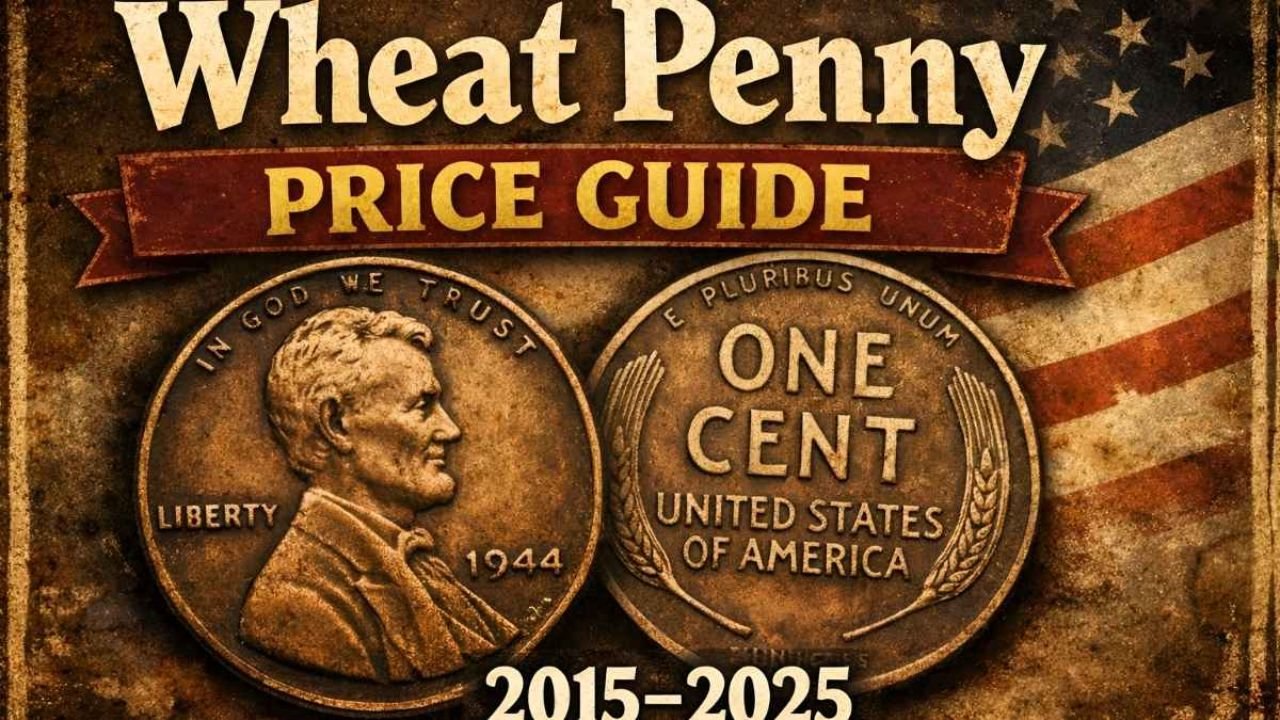
The Lincoln Wheat Penny, minted from 1909 to 1958, continues to hold a powerful place in American numismatics. Recognized by the two wheat stalks on its reverse, this classic one-cent coin represents nearly half a century of U.S. history. From the early 20th century through the post-war era, Wheat Pennies circulated widely, embedding themselves into everyday commerce and, eventually, into collector portfolios.
Between 2015 and 2025, the Wheat Penny market demonstrated steady resilience. While common circulated examples remain affordable, rare key dates and dramatic error coins experienced notable appreciation, supported by strong auction demand and growing online participation in the coin market.
Why Wheat Pennies Continue to Command Premiums
Not all Wheat Pennies are valuable. In fact, most are worth only a small premium over face value. However, specific factors can significantly increase a coin’s market price.
Rarity
Low mintage years and limited surviving populations drive demand. Coins such as the 1909-S VDB and 1914-D consistently rank among the most desirable.
Condition
High-grade coins certified by professional grading services can command multiples of their circulated counterparts. Mint State examples, especially with strong luster and minimal marks, are especially attractive to registry-set collectors.
Errors and Varieties
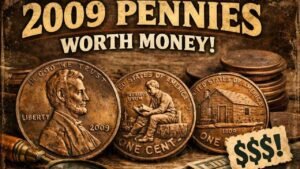
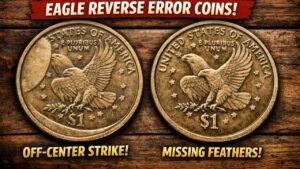
Doubled dies, off-center strikes, and wrong-metal errors can transform an ordinary penny into a highly valuable collectible.
The combination of scarcity and condition remains the foundation of value in the Wheat Penny market.
Market Trends from 2015 to 2025
Over the past decade, Wheat Pennies have benefited from a stable collector base and expanding digital marketplaces. Several key trends defined the period:
Increased Online Auction Activity
Major auction platforms and digital marketplaces broadened access to rare coins. This expanded global participation strengthened demand for certified key dates.
Registry Set Competition
Collectors competing for top-graded sets helped push premium-quality examples to record levels, particularly for coins graded MS66 and above.
Renewed Interest in Error Coins
Dramatic doubled dies and transitional errors gained attention, especially among younger collectors entering the hobby through online education and social media communities.
Steady Appreciation of Key Dates
While the market did not experience extreme volatility, important dates demonstrated consistent long-term appreciation, reinforcing their reputation as stable numismatic assets.
Key Wheat Penny Dates and Estimated Value Ranges
Certain dates have remained central to the series’ value structure from 2015 to 2025.
1909-S VDB
One of the most famous U.S. coins ever struck, this first-year issue featuring the designer’s initials continues to anchor the Wheat Penny market. Even in circulated condition, it commands substantial premiums, with high-grade examples achieving strong auction results.
1914-D
A low-mintage Denver issue that remains difficult to find in Mint State. Prices strengthened steadily throughout the decade, particularly for certified examples.
1922 No D
A distinctive variety struck without the Denver mintmark due to die issues. Authentic examples remain scarce and highly collectible.
1931-S
Produced during the Great Depression, this coin saw limited mintage. Although more available than other key dates, high-grade examples continue to perform well.
1955 Doubled Die Obverse
Perhaps the most iconic error in the Wheat series, the dramatic doubling in the date and lettering ensures continued collector demand.
Error Varieties That Gained Momentum
Between 2015 and 2025, collectors increasingly gravitated toward visually striking errors.
1943 Bronze (Copper) Cent
Struck accidentally during the wartime steel cent year, surviving examples remain among the most valuable Lincoln cents in existence.
1944 Steel Cent
A transitional error resulting from leftover steel planchets, these coins continue to command high premiums.
Off-Center and Clipped Planchet Errors
While more common than doubled dies, strong examples with dramatic displacement gained popularity among collectors seeking affordable but distinctive pieces.
Error coins offer both rarity and visual intrigue, making them especially appealing in competitive auctions.
The Importance of Condition and Grading
Condition remains the decisive factor in Wheat Penny pricing. Coins are graded from heavily worn (Poor) to flawless Mint State (MS70). Even a common-date penny can carry meaningful value in gem condition.
Professional grading services such as PCGS and NGC provide authentication and encapsulation, offering transparency and market confidence. Over the past decade, certified coins have consistently outperformed raw examples due to buyer trust and liquidity.
High-grade Red (RD) Wheat Pennies with full luster have been particularly strong performers in the market.
Collector Insights from a Decade of Activity
From 2015 through 2025, experienced collectors emphasized several core strategies:
- Focus on quality over quantity
- Prioritize certified key dates
- Study die varieties before purchasing
- Be patient during market fluctuations
- Diversify across early, mid, and late Wheat issues
Many collectors reported success by searching estate collections and inherited coin jars, where overlooked Wheat Pennies occasionally surfaced.
Investment Potential and Long-Term Outlook
While Wheat Pennies are primarily collectible historical artifacts, certain rare examples have demonstrated reliable long-term value retention.
Key-date coins and major errors have historically weathered economic cycles well. Their tangible nature and limited supply provide an alternative asset appeal for investors seeking diversification beyond traditional markets.
However, experts consistently advise careful research and realistic expectations. Not every Wheat Penny will appreciate dramatically, and condition, authenticity, and demand remain critical variables.
Cultural and Historical Significance
Beyond financial considerations, Wheat Pennies represent an era of American transformation. They circulated through two world wars, the Great Depression, and significant economic shifts. Each coin reflects the craftsmanship and materials of its time.
For many collectors, the emotional connection to history outweighs monetary value. The Wheat Penny serves as both a collectible and a miniature historical artifact.
How to Identify Valuable Wheat Pennies
Collectors searching their coins should:
- Examine dates and mintmarks carefully
- Use magnification to identify doubling or unusual features
- Check metal color and weight for transitional errors
- Compare findings with reputable price references
- Seek professional authentication for potentially rare pieces
Education remains the most valuable investment in the hobby.
Final Thoughts
From 2015 to 2025, the Wheat Penny market demonstrated steady growth, strong collector engagement, and enduring appeal. While common examples remain affordable entry points into numismatics, key dates and major error varieties continue to command impressive premiums.
For collectors and investors alike, Wheat Pennies offer a compelling blend of history, scarcity, and opportunity. Whether discovered in a family collection or acquired through auction, these small copper coins continue to prove that even the humblest denominations can carry extraordinary value.